

Florida Living ·
Buying in Northeast Florida? Understand CDD Fees First

Mack Humphrey, CMPS
Certified Mortgage Planning Specialist · NMLS #1110618
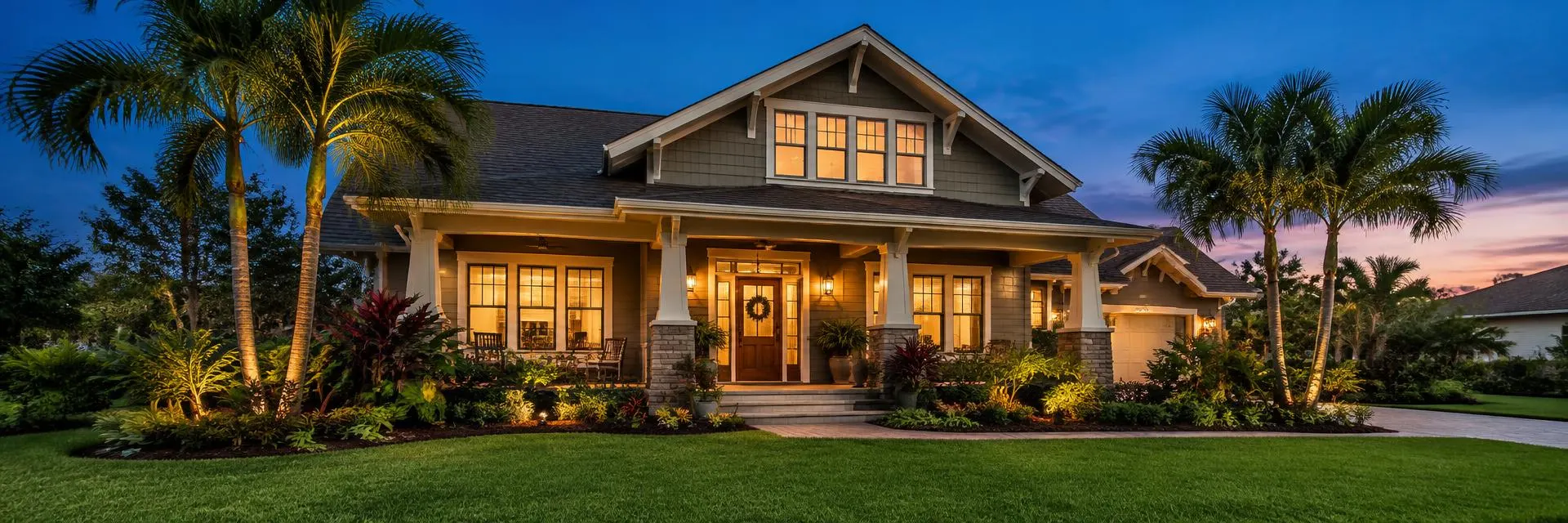
A neighborhood entrance can make a great first impression. Beautiful landscaping, walking trails, a pool, and a clubhouse can make it easy to picture your family settling in.
But when I help buyers compare homes around Jacksonville, Ponte Vedra, and St. Augustine, I want them to look beyond the amenities. How does the community pay for those features—and what will that mean for the household budget?
That brings us to Community Development Districts, usually called CDDs. A CDD is not automatically a reason to buy or walk away. It is something to understand before you commit.
What a CDD Actually Pays For
A CDD is a special-purpose local government created under Florida law. Depending on the community, it may finance, build, operate, or maintain public infrastructure and community facilities.
That can include roads, drainage systems, stormwater ponds, landscaping, recreation facilities, and other improvements. Responsibilities vary, so do not assume every district handles the same things.
Many districts issue bonds to help pay for initial construction. Property owners then pay assessments that support the district’s obligations and ongoing work.
You will often hear people call the entire charge a “CDD fee.” For a homebuyer, though, it helps to separate the main pieces:
- Debt service: Payments associated with bonds issued for infrastructure or improvements.
- Operations and maintenance: The cost of running and caring for district-owned facilities and property.
That distinction matters. An existing bond obligation may have a scheduled payoff date, but landscaping, pond maintenance, and facility upkeep do not disappear when a bond is paid off.
My advice: Never treat “the CDD will eventually go away” as a complete explanation. Ask which assessment is expected to end and which expenses will remain.
A CDD and an HOA Are Not the Same Thing
A homeowners association and a CDD can exist in the same neighborhood. Paying one does not necessarily cover the other.
An HOA generally administers the community’s private governing documents and may handle architectural rules, covenant enforcement, and certain common areas. A CDD has its own public responsibilities, budget, board, and assessment process.
The division of work can be surprisingly specific. The district might maintain the stormwater system and clubhouse, while the HOA handles other property or services. Another neighborhood may divide those responsibilities differently.
Before comparing communities, ask for a written breakdown of:
- CDD assessments attached to the specific property.
- Master association and neighborhood association dues, if both apply.
- Any separate amenity, membership, or usage charges.
- Transfer, application, or capital contribution charges due at purchase.
- Which services each payment actually covers.
Also confirm who can use the amenities and under what rules. Ownership near a clubhouse does not, by itself, tell you everything about access, reservations, guests, or optional services.
I would rather see a buyer ask a few extra questions now than discover after closing that the advertised lifestyle has several separate bills.
Build Your Budget Around the Actual Property
A model-home flyer is a starting point, not the final word on ownership costs.
CDD assessments can differ within a larger community. Different phases, lot types, or assessment areas may carry different obligations. The number quoted for one home may not apply to another home down the street.
For an existing property, review the current tax bill and confirm the district assessments with the district manager or other appropriate source. In many Florida communities, CDD assessments appear on the property tax bill as non-ad valorem assessments. That means they are not calculated in the same way as taxes based on assessed property value.
For new construction, be especially careful with an older tax bill. It may reflect vacant land, an earlier parcel configuration, or charges that do not represent the completed home’s future expenses.
Here is what I want in a useful payment comparison:
- A property-specific estimate of district assessments.
- Current association dues and any known changes.
- A realistic estimate of property taxes for the purchase.
- A property-specific homeowners insurance quote.
- The mortgage payment and any other applicable financing costs.
A homestead exemption generally does not reduce CDD non-ad valorem assessments. Ask the county property appraiser or a qualified tax professional how exemptions apply to your situation.
As your mortgage planner, I also want these costs identified early so we can account for them appropriately when reviewing affordability and loan qualification.
Look Beyond This Year’s Assessment
A current assessment tells you what the property is being charged now. It does not promise that future charges will stay the same.
Operating costs can change as landscaping matures, equipment needs replacement, insurance expenses shift, or facilities require repairs. A community still under construction may also have a different budget picture once more infrastructure and amenities are operating.
You do not need to become a municipal finance expert. You do need a few reliable documents and clear answers.
Start with the district’s adopted budget, assessment information, and recent board meeting materials. District websites often provide these, and the district manager can help locate property-specific information.
Questions worth asking include:
- Has the next annual budget been adopted, and does it change assessments?
- Are major repairs, facility expansions, or additional borrowing being discussed?
- Does the budget include funds for future repairs and replacements?
- Is the developer currently contributing money or services, and is that support expected to change?
- What debt assessments apply to this property, and what is their expected remaining term?
If someone says the property’s bond assessment has been prepaid, request written confirmation of exactly what was paid. That does not necessarily eliminate operating assessments or other obligations.
For questions about contractual duties or assessment disclosures, speak with a qualified Florida real estate attorney.
Decide Whether the Community Fits Your Life
I do not judge a neighborhood by whether it has a CDD. I look at what the buyer receives, what the full cost is, and whether the arrangement fits the buyer’s plans.
A household that regularly uses trails, recreation facilities, and neighborhood gathering spaces may find real value in those features. Someone who rarely uses them may prefer a community with fewer shared amenities.
A neighborhood without a CDD is not automatically cheaper, either. Similar expenses may be funded through association dues, other public charges, or individual maintenance costs.
Think about future resale, too. Buyers will evaluate the total cost of owning your home, just as you are doing now. Clear assessment records and well-maintained facilities help them understand the value, but amenities do not guarantee appreciation.
My favorite comparison is simple: Put the homes side by side using their complete recurring costs, then ask which community supports the life you actually want—not just the weekend you spent touring it.
Let's Talk
Comparing a CDD neighborhood with another Northeast Florida community? I can help you organize the ownership costs and see how they fit your mortgage plan. Call me, Mack Humphrey, at (720) 771-1308 or reach out to the Mack Humphrey Mortgage Team at First Coast Mortgage Alliance for a no-pressure conversation.
Talk to Mack
Have questions about your own situation? Let's run your numbers together, with no pressure and no obligation.