Florida Living ·
Buying in Northeast Florida? Look Beyond the Flood Zone

Mack Humphrey, CMPS
Certified Mortgage Planning Specialist · NMLS #1110618
A Flood Zone Is a Starting Point, Not a Verdict
When someone asks me whether a Northeast Florida home is in a “good flood zone,” I suggest a different question: How could water reach this particular house, and what would that mean for owning it?
That matters whether you’re shopping in Jacksonville, Ponte Vedra, or St. Augustine. A home near the ocean deserves careful review, but so does an inland property beside a creek, drainage pond, or low stretch of road.
As a mortgage planner, I want buyers to understand both the financing requirements and the ownership risks. Those are related, but they aren’t the same thing. A lender may not require flood insurance on a particular home. That does not mean the home cannot flood.
Start with the property’s current FEMA flood map through the FEMA Flood Map Service Center. Your local floodplain administrator can help explain the designation and identify available local information or pending map changes.
Higher-risk designations generally trigger flood insurance requirements for buildings securing federally backed mortgages. Other lenders may require coverage, too. But a lower-risk designation, including Zone X, should never be read as “flood-proof.” Maps are useful tools—not guarantees about the next storm.
Follow the Water Beyond the Map
Flooding has more than one source. Coastal surge gets attention, but heavy rainfall, overflowing waterways, and overwhelmed drainage systems can also create problems.
I encourage buyers to look at the home, the lot, and the route into the neighborhood as separate pieces of the same puzzle.
During a showing, notice:
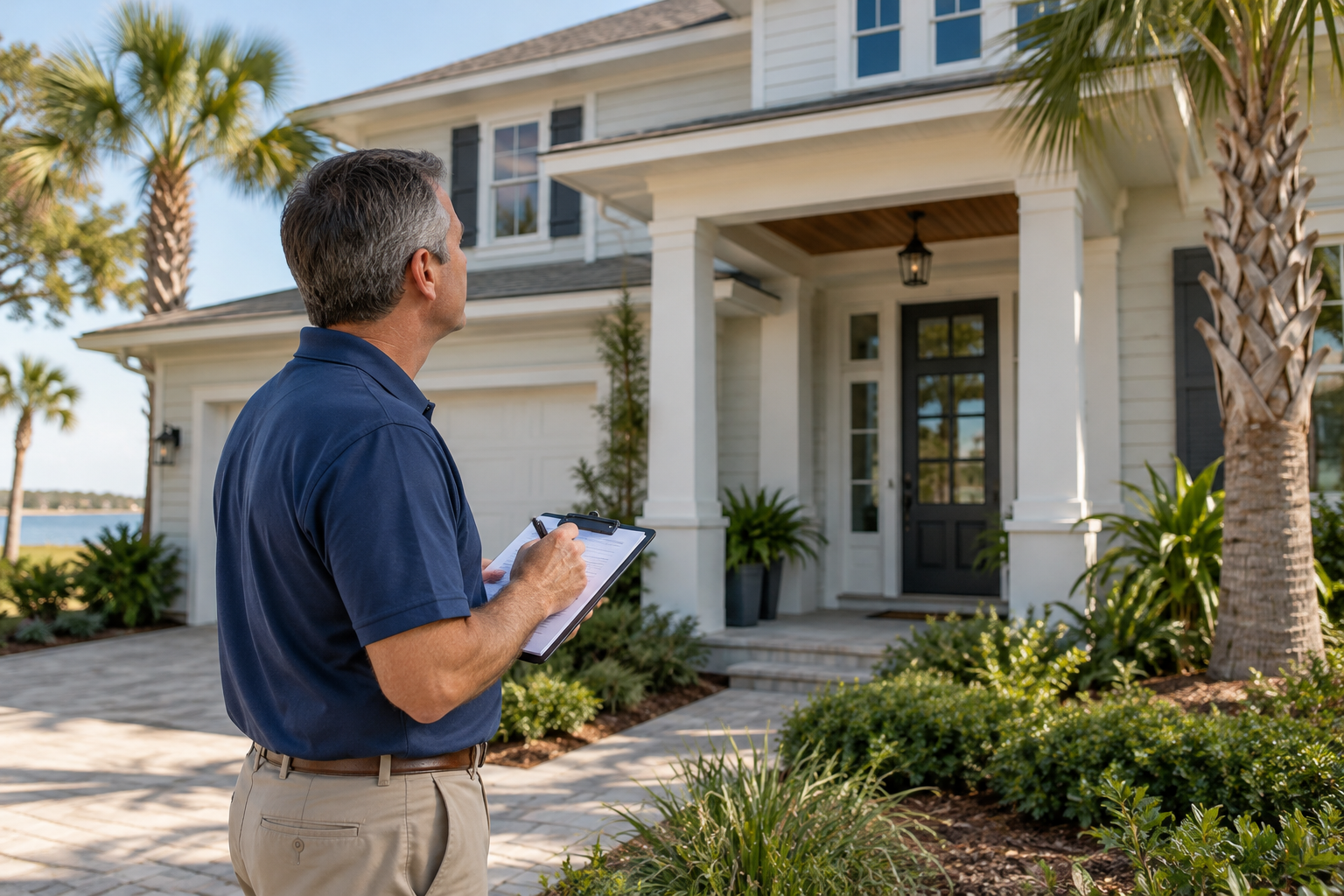
- Whether the yard slopes toward the house or away from it.
- Whether the home sits below neighboring lots or the street.
- Where nearby storm drains, swales, ditches, and ponds are located.
- Whether a driveway slopes down toward the garage.
- Whether the neighborhood depends on a low road or bridge for access.
These observations do not replace a professional evaluation. They help you decide what to investigate.
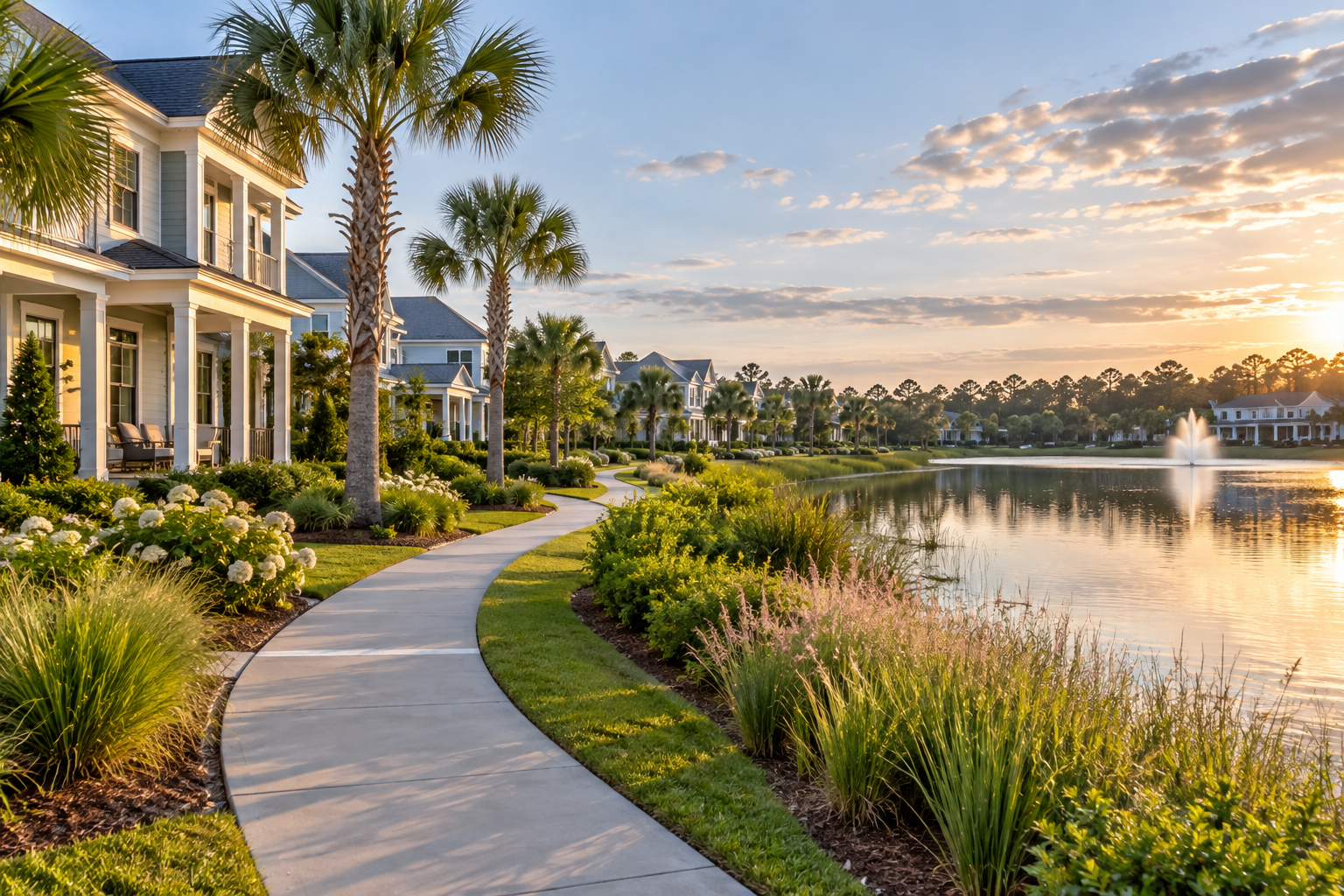
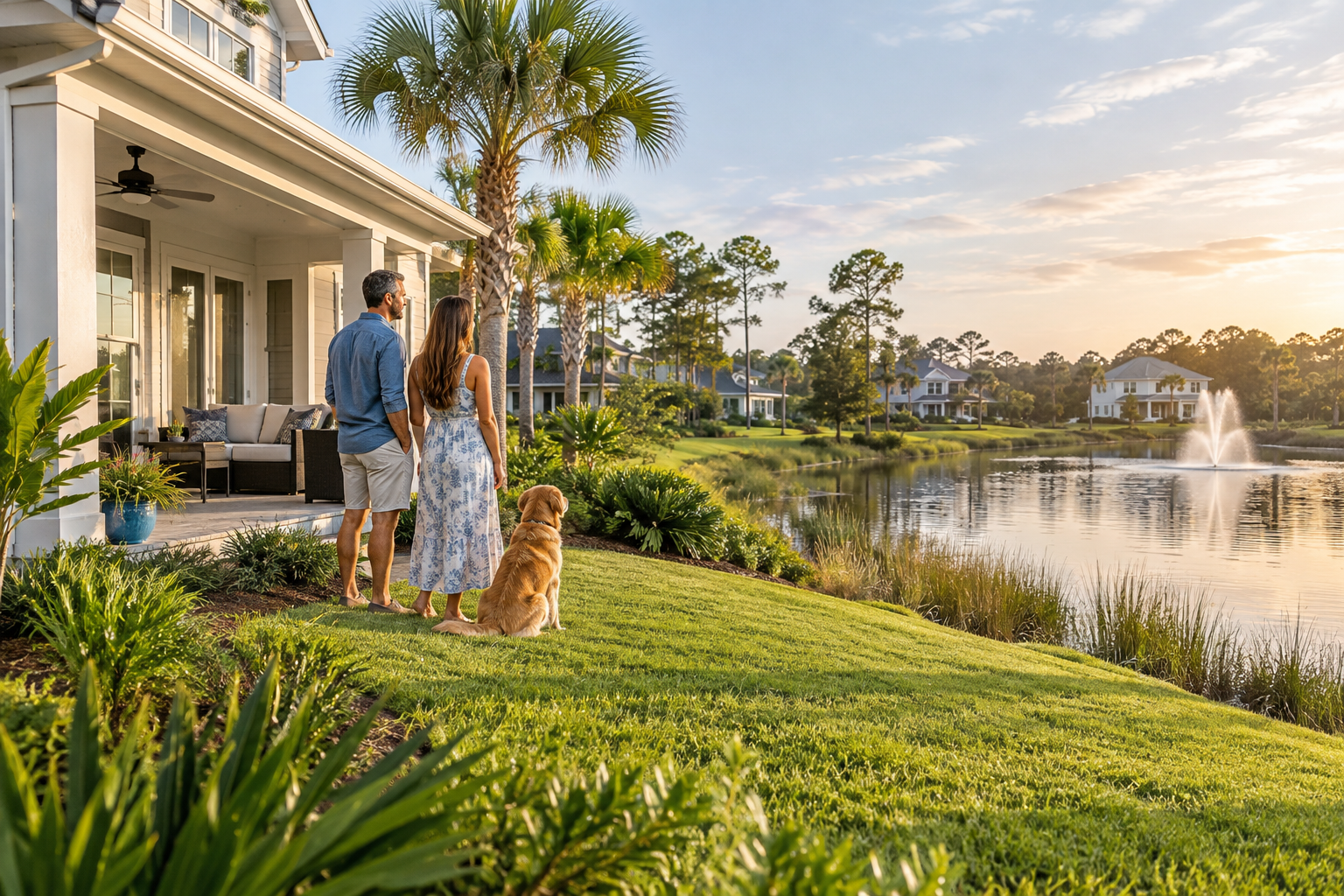
A pond behind the house may be part of a stormwater system rather than simply a scenic feature. Ask who maintains it and where water is designed to go when it fills. Don’t assume an attractive pond means the neighborhood’s drainage is trouble-free.
If practical and safe, revisit after an ordinary rain. Standing water deserves questions, though one dry visit—or one wet visit—cannot establish the property’s long-term risk. Never enter flooded streets to inspect a neighborhood.
Ask Questions That Produce Useful Records
“Has the house ever flooded?” is a reasonable opening question. It is not enough by itself.
Water can enter a garage without entering the living space. A yard can flood while the house stays dry. A road can become impassable even when every room remains untouched. Those experiences affect ownership in different ways.
I’d work with your real estate agent to ask more specific questions:
- Has water entered the house, garage, crawl space, or attached storage areas?
- Has water collected against the foundation or exterior doors?
- Have nearby streets flooded or access routes closed?
- Were any flood-related repairs, drainage changes, or insurance claims made?
- Are there records showing what work was completed and whether permits were needed?
Review the seller’s written disclosures, but don’t treat them as a complete history. Sellers may not know what happened before they owned the property. Ask your agent or a qualified Florida real estate attorney about the flood disclosures required for your transaction.
An elevation certificate, if available, may provide useful building elevation information. It is not a promise that flooding will never occur, and it is not universally required for an insurance quote.
A home inspector can look for visible signs of moisture or past repairs. For unresolved grading or drainage concerns, you may need a specialist, such as a qualified civil engineer. A routine home inspection is not a flood-risk study.
Get the Insurance Answer While You Still Have Options
Here is where I see buyers make an avoidable mistake: They investigate flood insurance only after learning that the lender requires it.
I recommend getting a property-specific quote early, even when coverage appears optional. Standard homeowners policies generally exclude flood damage. Do not assume your regular policy covers water entering from outside during a storm.
Ask a licensed insurance professional to explain the available National Flood Insurance Program and private-market options, where applicable. If financing is involved, have your mortgage team confirm whether the proposed policy meets lender requirements.
Useful questions include:
- What does the policy cover for the building and personal belongings?
- What deductibles apply?
- Are temporary living expenses covered or excluded?
- How are belongings valued after a covered loss?
- Are there limitations affecting garages, lower-level areas, or certain equipment?
- When can coverage take effect?
Do not assume coverage begins the moment you request it. Waiting periods, exceptions, and storm-related restrictions can affect timing, depending on the policy and circumstances.
Also, avoid using the seller’s premium as your budget. Their policy terms, coverage choices, and other factors may differ from yours. You need a quote based on your purchase and intended coverage—not a number passed along during a showing.
Turn the Findings Into a Buying Decision
The goal is not to eliminate every home with any water exposure. In Northeast Florida, that would be an unrealistic way to shop. The goal is to understand the risk before you become responsible for it.
I like buyers to separate their decision into three questions:
- Financing: Will the property and insurance satisfy the lender’s requirements?
- Budget: Can you comfortably afford appropriate coverage, deductibles, and potential uninsured expenses?
- Daily life: Are you comfortable with the property’s exposure and possible access disruptions?
A home can pass the first test and still fail the other two.
If the records are incomplete or an expert flags a concern, discuss your options with your agent before applicable contract deadlines. Depending on the contract and circumstances, you might seek more information, request additional evaluation, negotiate, or decide not to proceed. Get qualified legal guidance when needed.
My biggest takeaway is simple: “Flood insurance isn’t required” answers a lending question. It does not answer the whole homeownership question.
Let's Talk
Buying in Northeast Florida and trying to connect flood insurance, financing, and your overall budget? Call me, Mack Humphrey, CMPS, NMLS #1110618, at (720) 771-1308, or reach out for a no-pressure conversation. I’ll help you sort out the mortgage questions and identify what to discuss with your insurance professional before you move forward.
Talk to Mack
Have questions about your own situation? Let's run your numbers together, with no pressure and no obligation.