Florida Living ·
Buying a Historic Florida Home? Check the Rules Before You Fall

Mack Humphrey, CMPS
Certified Mortgage Planning Specialist · NMLS #1110618
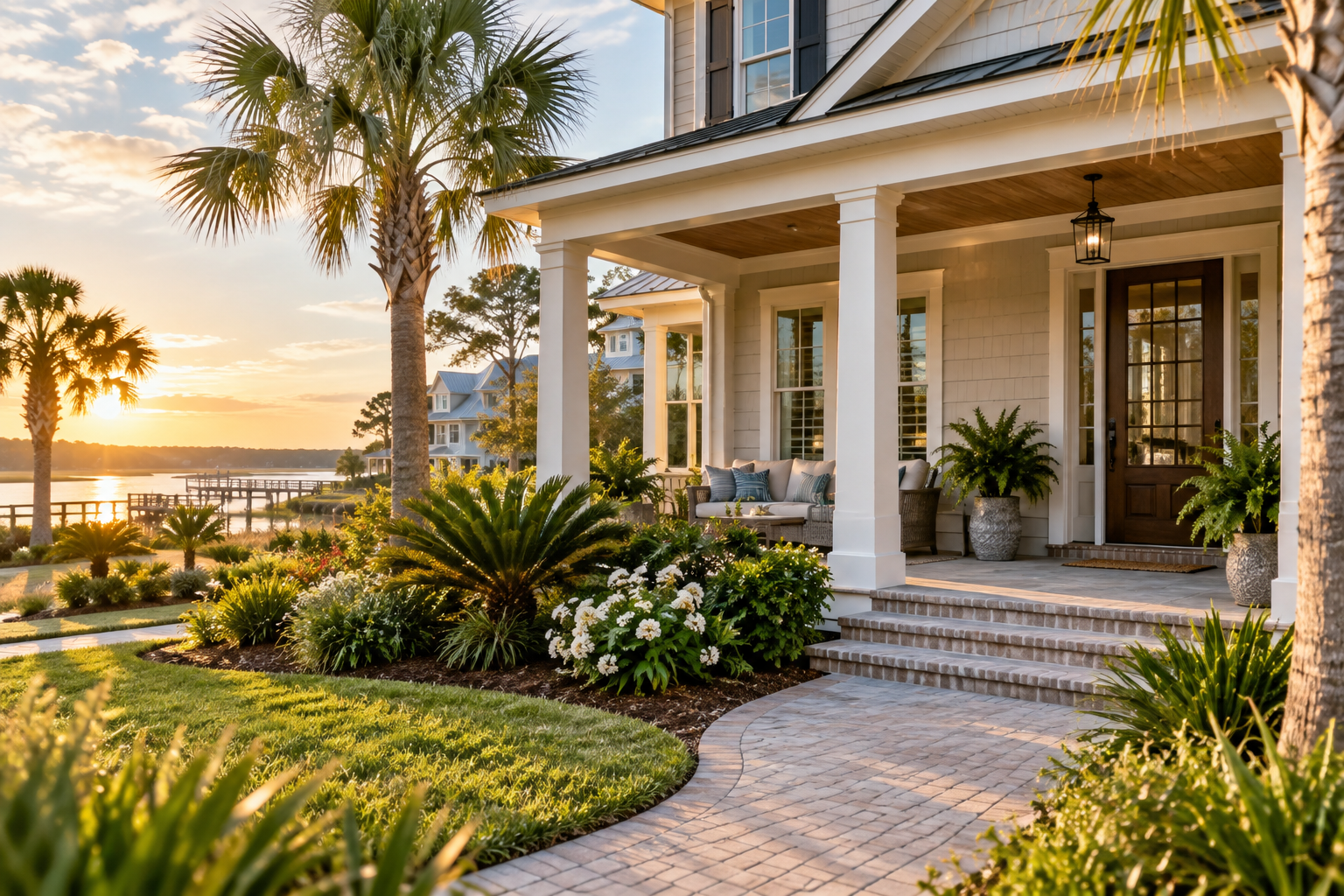
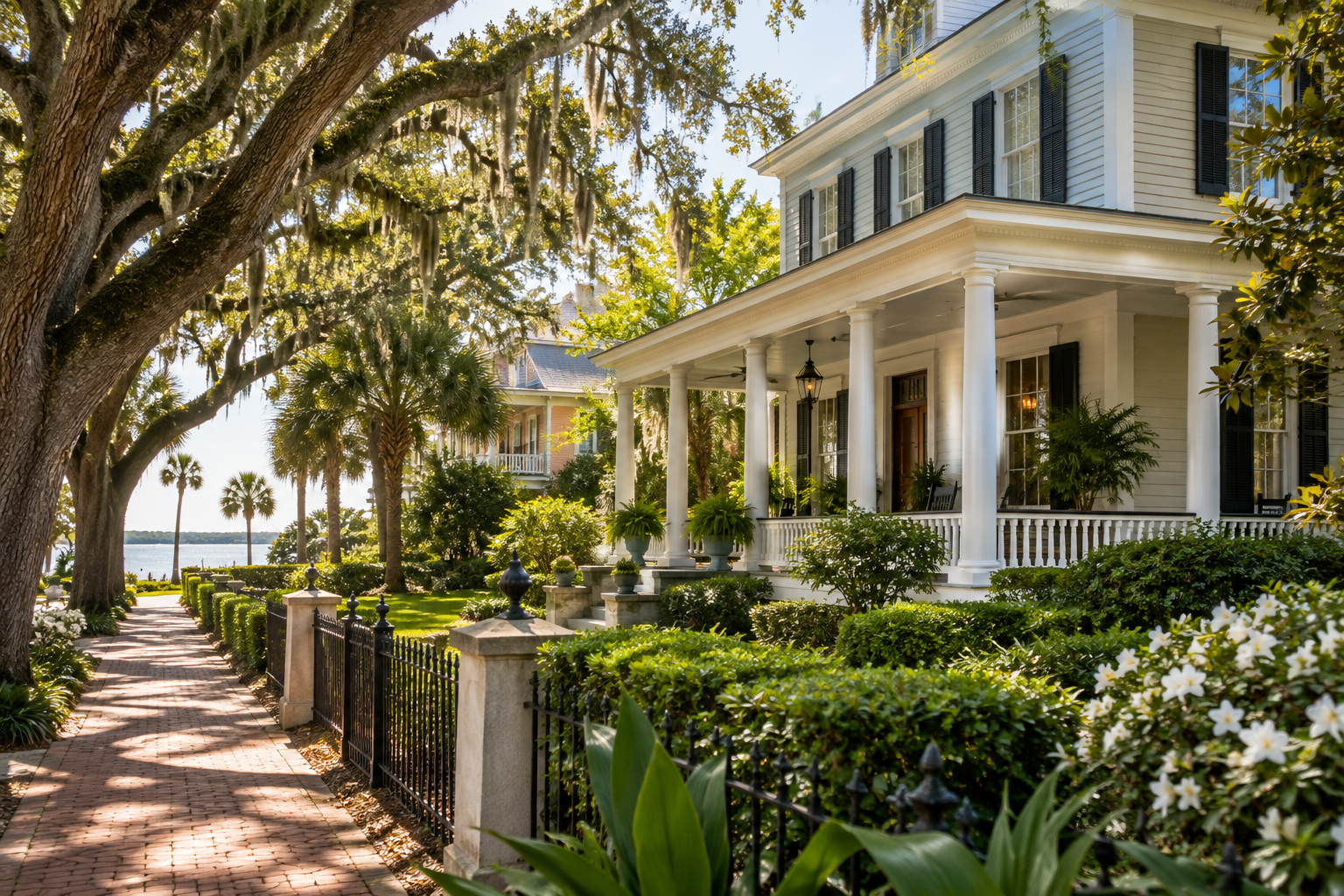
A shaded front porch in Jacksonville’s Riverside neighborhood. A cottage near downtown St. Augustine. Original windows, detailed trim, and a street that feels different from every new subdivision you’ve toured.
I understand the appeal. A historic home offers character that can be hard to recreate. But before you picture replacing the windows or adding a garage, there’s another question to answer: Who gets a say in what you can change?
In parts of Northeast Florida, historic preservation rules can affect your plans, your timeline, and your budget. That doesn’t make these homes a bad choice. It means the home needs to fit both your finances and the way you want to live.
Here’s how I’d approach that decision before making a purchase commitment.
Start With the Property’s Actual Designation
“Historic” can mean several different things in a real estate listing. Sometimes it simply means old. Sometimes the property has a formal designation that brings local oversight.
A home might be individually designated, located inside a local historic district, listed in the National Register of Historic Places, or covered by more than one designation. Those labels do not all carry the same requirements.
National Register listing alone generally does not restrict what a private owner does with private funds. Local preservation rules, preservation easements, or projects involving certain government approvals or funding can change the picture.
That distinction matters in Jacksonville and St. Augustine, where buyers may encounter both nationally recognized areas and local historic districts. A neighborhood name or listing description is not enough to establish which rules apply to a particular house.
Before you rely on a seller’s explanation, ask the appropriate city preservation staff to confirm:
- Whether the parcel is inside a locally regulated historic district.
- Whether the building has an individual historic designation.
- Whether it is classified as contributing or noncontributing to the district.
- Which review standards apply to that address.
A noncontributing building may still be subject to district review. I would not treat that label as permission to make unrestricted changes.
Match the Rules to Your Real Plans
You don’t need to become a preservation expert before buying. You do need to identify the changes that would make the house work for you.
Maybe the porch is perfect, but you need a fenced yard. Maybe the kitchen is workable, but the house needs an accessible entrance. Or perhaps the entire purchase depends on adding living space later.
Write those plans down before asking about approvals. “Can I renovate?” is too broad to produce a useful answer.
Depending on the location and designation, review may cover changes such as:
- Replacing windows or exterior doors.
- Changing roofing materials, siding, or porch details.
- Adding fences, garages, or other structures.
- Building an addition or changing the roofline.
- Installing solar panels or visible exterior equipment.
- Moving or demolishing a building.
Many local preservation reviews focus on exterior work, but don’t assume every interior project is outside all restrictions. Building permits, structural requirements, or a property-specific preservation easement may still matter.
I’d separate your wish list into must-have changes and nice-to-have changes. If an accessible entry or additional bedroom is essential, get qualified guidance on feasibility before treating the house as a fit.
Understand the Approval Path Before Hiring Anyone
Historic review and a building permit are not necessarily the same approval. Depending on the work, you may need both.
Some projects can be reviewed by staff. Others may require a preservation board hearing. The city may use a certificate of appropriateness or another approval process to determine whether proposed changes meet local standards.
Ask preservation staff what your specific project would require:
- What drawings, photographs, and material samples must be submitted?
- Can staff approve the work, or is a public hearing needed?
- What are the application deadlines and typical review steps?
- Does approval need to come before the building permit application?
- Are there separate requirements for zoning or site placement?
A contractor’s availability does not establish the city’s approval timeline. Ordering custom materials before getting the necessary approvals can also create an expensive problem.
I recommend requesting written guidance when possible and keeping it with your purchase records. An informal conversation is helpful, but it is not the same as approval of a complete application.
Also ask whether prior exterior changes have documented approvals and whether any preservation violations remain open. If the records raise concerns, your real estate agent and a qualified local attorney can help you evaluate the implications before closing.
Price the Allowed Solution, Not Just the Cheapest One
The biggest budgeting mistake is assuming you can use the same materials and methods you would choose for any other house.
For example, your preferred replacement window may not meet local standards. Repairing an existing window, using a different product, or matching historic details could become part of the plan. The right approach depends on the building, its condition, and the applicable rules.
Before you settle on a budget, seek estimates from contractors who have completed approved work in that jurisdiction. Ask whether their quotes include application documents, required materials, and any specialty labor.
Also ask about alternatives. Preservation does not always mean replacing everything with costly custom work. In some situations, repair or a less visible design change may meet your goals with fewer complications. Let qualified professionals evaluate those options rather than assuming either the cheapest or most expensive solution is required.
From my mortgage-planning perspective, the key question is whether you can comfortably own the home and carry out the necessary work. Money needed for renovations should not disappear into your down payment without a plan.
If financing will include improvements, discuss the approval process and project scope with your lender early. Historic status alone does not determine mortgage eligibility, and not every loan can accommodate every proposed project.
Make Sure You Want the House You Can Actually Own
Preservation rules can help protect the streetscape that attracted you in the first place. They can also limit changes you consider practical or important. Both things can be true.
My advice is to judge the purchase using the house as it exists today, plus changes you have reasonably verified—not an imagined version built around unconfirmed approvals.
Ask yourself:
- Would I still want this home if an addition were not approved?
- Can I live with the exterior features that may need to remain?
- Do I have room in my budget for appropriate materials and skilled labor?
- Am I comfortable following a review process before starting work?
If a major change is essential, talk with your agent and a qualified attorney about how to address that uncertainty in the purchase contract. Don’t assume a routine contract deadline gives you enough time to resolve a complex preservation question.
The goal isn’t to talk yourself out of a historic home. It’s to choose one whose character and responsibilities you genuinely want.
Let's Talk
Considering a historic home in Northeast Florida? I can help you think through the mortgage and cash-planning side before you commit. Call (720) 771-1308 or reach out to me for a no-pressure conversation.
Mack Humphrey, CMPS | NMLS #1110618
Team Humphrey at First Coast Mortgage Alliance
Talk to Mack
Have questions about your own situation? Let's run your numbers together, with no pressure and no obligation.